Journal · Ownership · 4 min
How to wind a hand-wound watch (and how often)
Once a day, at the same time, until you feel resistance. The rest is detail — here is the detail.
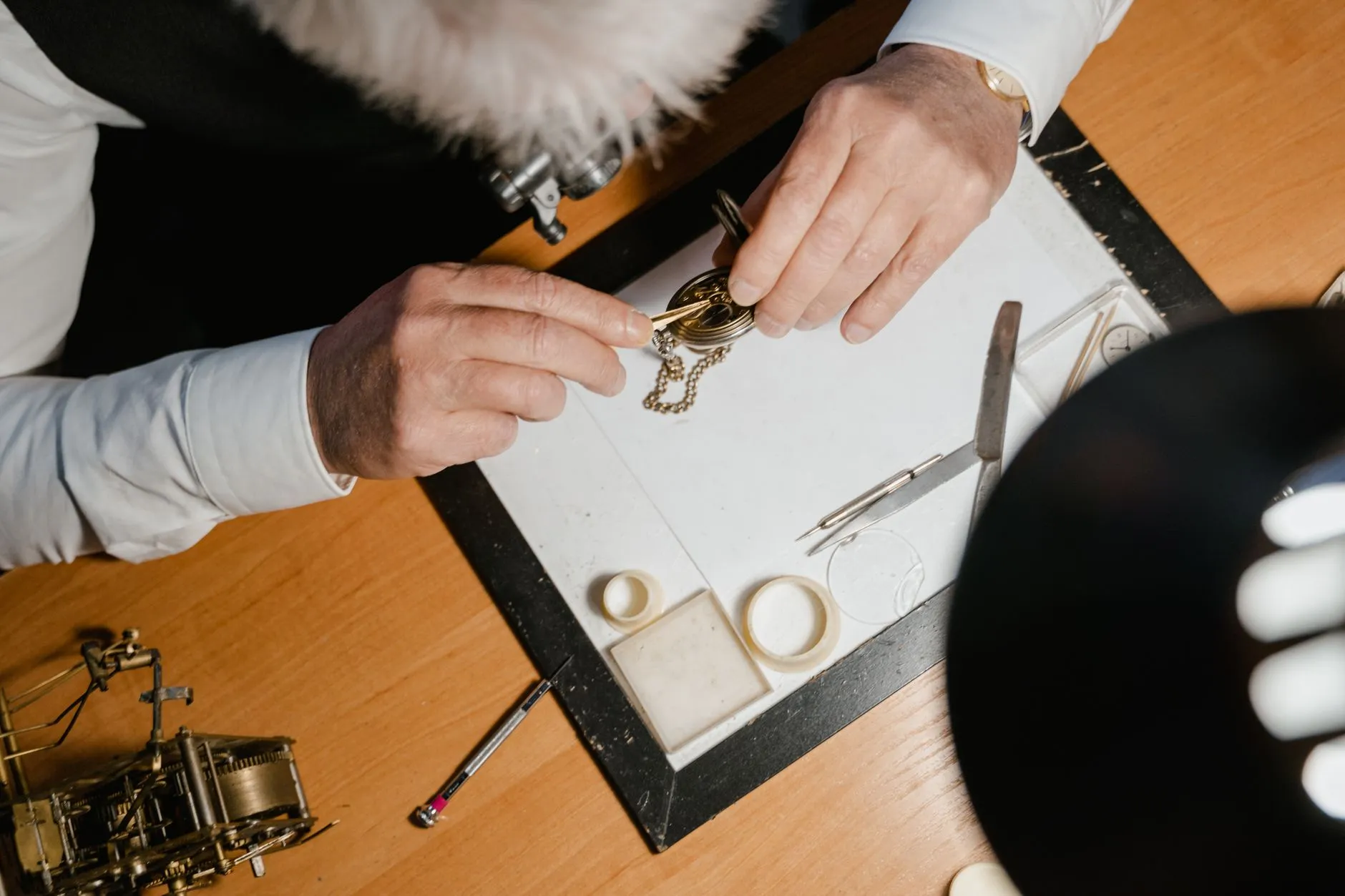
A hand-wound watch has no rotor. The only energy it gets is what you give it through the crown, and it gives that back over roughly two and a half days. That is the whole relationship.
Once a day, same time
Wind it every morning, off the wrist, before you put it on. A full wind from empty takes about forty turns of the crown; a top-up from yesterday takes fifteen or twenty. Daily winding keeps the mainspring in the upper part of its range, where the watch keeps its best time.
Stop at the resistance
When the mainspring is full you will feel the crown tighten over a quarter turn. Stop there. The watch cannot be over-wound, but forcing the crown past that point strains the stem.
If it has stopped
Wind it fully, set the time, and put it on. A watch that has run down loses nothing — it is simply waiting.
What to avoid
- Setting the date between 21:00 and 03:00, when the date wheel is engaged.
- Winding with the crown pulled out to the setting position.
- Strong magnets: speakers, phone cases with clasps, induction hobs.
If the watch starts running more than ten seconds a day off, write to us — it usually means it wants a regulation, not a repair.
Quick answers
Can I over-wind a hand-wound watch?
No. When the mainspring is full the crown stops turning. Stop there and do not force it.
Should I wind it on or off the wrist?
Off. Winding on the wrist puts a sideways load on the crown stem every day.